Water Filtration
Systems in Chapel Hill, NC
Premium water solutions for Chapel Hill homeowners. From Meadowmont to Southern Village — clean, great-tasting water from every tap.
Quick answer
What's in Chapel Hill tap water?
EWG's Tap Water Database flags contaminants above its health guidelines in Chapel Hill water, led by Total Trihalomethanes at 297× the guideline, along with Haloacetic Acids, Dichloroacetic Acid and Combined Radium. Whole-home carbon filtration reduces disinfection byproducts at every tap, and reverse osmosis removes PFAS and heavy metals from drinking water. Our free in-home water test shows your own numbers.
What's In Chapel Hill's Tap Water?
Chapel Hill water meets federal legal standards, but EWG found contaminants far above science-based health guidelines. Hover or tap one to see where it hits the body.
Chapel Hill Tap Water
University Lake / Cane Creek
Form when chlorine treats surface water; collectively linked to bladder cancer and reproductive harm.
Five chlorination byproducts linked to cancer and developmental harm with very low health-protective thresholds.
A haloacetic acid disinfection byproduct linked to liver tumors and developmental harm in animal studies.
Naturally occurring radioactive element that concentrates in bones and is linked to bone cancer with prolonged exposure.
Agricultural and septic runoff contaminant linked to blue baby syndrome in infants and potential cancer risk in adults.
Tap a row to see what it affects Hover a contaminant to see what it affects
- 100× or more over guideline
- 20–100× over
- Under 20× over
- Not linked in this city
Common Chapel Hill Water Problems
And the systems we use to solve them.
High Disinfection Byproducts
OWASA draws from University Lake and Cane Creek Reservoir — both surface water sources prone to high TTHM and HAA formation when chlorinated. Chapel Hill had TTHMs detected at 297× EWG's health guideline.
Our solution
Whole-home carbon filtration captures chlorine and DBPs at point of entry, with RO providing the cleanest drinking water.
Naturally Occurring Radium
Chapel Hill's geology contributes naturally occurring radium to the water supply at 25× EWG's health guideline. Long-term exposure is linked to bone cancer.
Our solution
Reverse osmosis effectively reduces radium and other radioactive contaminants from your drinking water.
Agricultural Nitrate Runoff
Nitrate from surrounding agricultural land and aging septic systems reaches Chapel Hill's water supply at 20× EWG's health guideline — a particular concern for households with infants.
Our solution
RO drinking water systems remove nitrate to below detectable levels — recommended for any home with infants or pregnant women.
The Right System for Your Water
Whether you have chlorine-tasting city water, hard or smelly well water, or just want better tasting drinking water—we have the perfect solution.

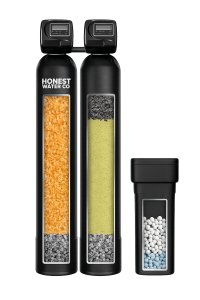
Complete Home System
The ultimate whole-house solution. Whole-home filtration and softening in one system — protects every tap, every appliance, every shower.
- Whole-home filtration
- Water softening included
- Removes chlorine & chloramines
- Reduces heavy metals
Well Water System
Complete multi-stage treatment for well water. Removes iron, sulfur, sediment, hardness, and bacteria — everything well water throws at your home.
- Removes iron up to 15 ppm
- Eliminates sulfur smell
- UV sterilization included
- Sediment pre-filtration
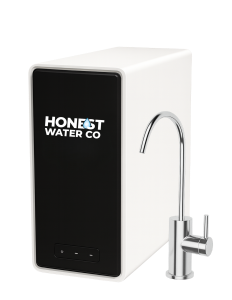
7-Stage Reverse Osmosis
Premium tankless RO with alkaline filtration. 800 GPD of purified, pH-balanced drinking water on demand — no storage tank needed.
- 800 GPD tankless design
- 7-stage filtration
- Alkaline pH balancing
- Color match faucet included
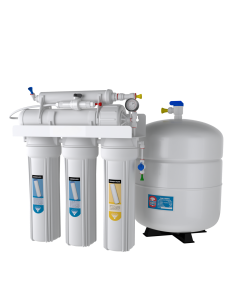
5-Stage Reverse Osmosis
Clean, great-tasting drinking water at your sink. Removes up to 99% of contaminants including lead, chlorine, fluoride, and more.
- 5-stage filtration
- Removes 99% of contaminants
- Under-sink design
- Dedicated faucet included
Browse all 12+ water treatment solutions
Recommended for Chapel Hill Homes
Systems that address Chapel Hill's specific water profile.
Filtration + Softening + RO
Complete Home System
Learn more →
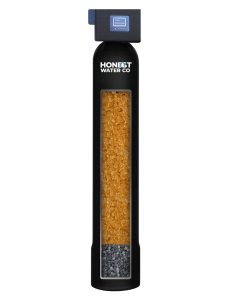
Single Tank Resin
Water Softener
Learn more →
7-Stage Tankless RO
HW800 AlkaPro RO
Learn more →
Under-Sink Drinking Water
5-Stage Reverse Osmosis
Learn more →
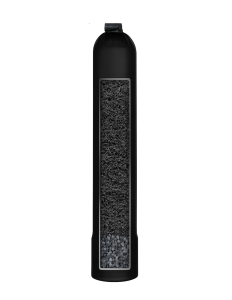
Chlorine & Sediment
Whole Home Carbon Filter
Learn more →
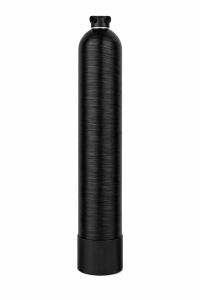
No Salt Required
Salt-Free Conditioner
Learn more →
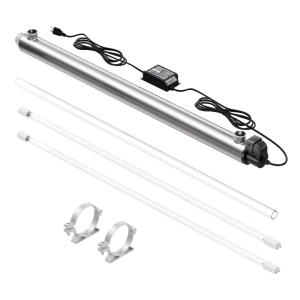
99.99% Germicidal Protection
UV Sterilizer
Learn more →
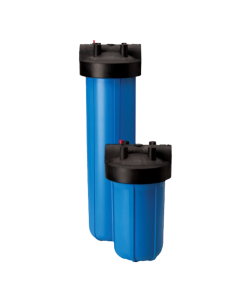
Whole House Protection
Pre-Sediment Filter
Learn more →
Chapel Hill Neighborhoods We Serve
Same-week appointments available across all Chapel Hill communities.
Water Quality in Chapel Hill, NC — Common Questions
Ready for Cleaner Water in Chapel Hill?
Same-week installation, lifetime warranty — no obligation.