Water Filtration & Reverse Osmosis in Clayton, NC
Clayton buys treated Neuse River water from Johnston County West. The Town’s own 2025 report shows the highest disinfection byproduct levels of any system we serve in the Triangle — still legal, but worth understanding.
What the data shows for Clayton
Served by: Johnston County West (PWS# NC0351070)
Source water: Neuse River
Total Trihalomethanes
52 ppb
Range 26.2–64.2. Federal limit 80 ppb. Raleigh runs 21.7 for comparison.
Haloacetic Acids (HAA5)
30.49 ppb
Range 20.2–44.3. Federal limit 60 ppb.
Source susceptibility
High
NC DEQ rated the Neuse River intake High for susceptibility (September 2020).
The highest disinfection byproducts in the Triangle — and they are legal
Clayton’s 2025 report lists trihalomethanes at a running annual average of 52 ppb, with individual sampling sites as high as 64.2 ppb. The federal limit is 80, so the system is compliant. But for context, Raleigh runs 21.7 and Wilmington runs 30.6. Clayton is roughly two and a half times Raleigh.
The reason is the source. Clayton takes purchased surface water from the Neuse River via Johnston County West, and North Carolina DEQ rated that intake High for source-water susceptibility. Surface water with high organic load needs heavier disinfection, and heavier disinfection produces more byproducts.
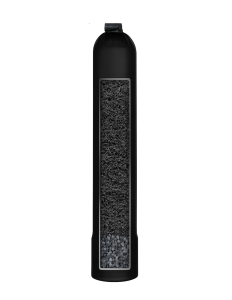
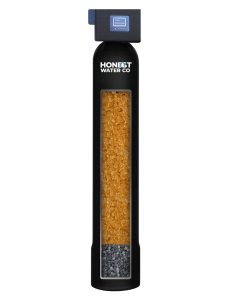
This is a solvable problem and it is exactly what carbon filtration is for. A properly sized whole-home carbon system removes chlorine and its byproducts at every tap, and reverse osmosis at the kitchen sink handles what remains in the water you actually drink.
The Right System for Your Water
Whether you have chlorine-tasting city water, hard or smelly well water, or just want better tasting drinking water—we have the perfect solution.

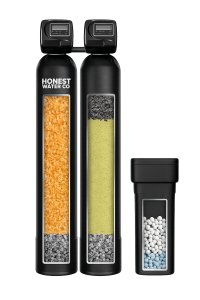
Complete Home System
The ultimate whole-house solution. Whole-home filtration and softening in one system — protects every tap, every appliance, every shower.
- Whole-home filtration
- Water softening included
- Removes chlorine & chloramines
- Reduces heavy metals
Well Water System
Complete multi-stage treatment for well water. Removes iron, sulfur, sediment, hardness, and bacteria — everything well water throws at your home.
- Removes iron up to 15 ppm
- Eliminates sulfur smell
- UV sterilization included
- Sediment pre-filtration
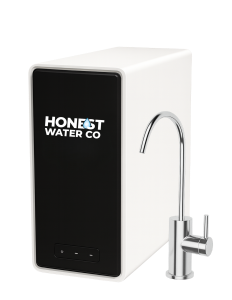
7-Stage Reverse Osmosis
Premium tankless RO with alkaline filtration. 800 GPD of purified, pH-balanced drinking water on demand — no storage tank needed.
- 800 GPD tankless design
- 7-stage filtration
- Alkaline pH balancing
- Color match faucet included
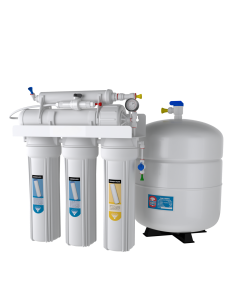
5-Stage Reverse Osmosis
Clean, great-tasting drinking water at your sink. Removes up to 99% of contaminants including lead, chlorine, fluoride, and more.
- 5-stage filtration
- Removes 99% of contaminants
- Under-sink design
- Dedicated faucet included
Browse all 12+ water treatment solutions
Recommended for Clayton Homes
Ordered for what this specific water actually needs.
We Named The Competition
Vague comparisons are weak. Here's exactly how we stack up against the alternatives.
Compare with
Comparison reflects publicly available pricing and terms as of June 2026. Verify current terms with each provider directly.
Clayton Neighborhoods We Serve
Do not see yours? We cover the surrounding area — call and we will confirm.
Water Quality in Clayton, NC — Common Questions
Ready for Cleaner Water in Clayton?
Free in-home water test, honest recommendation, lifetime warranty — no obligation.