Water Filtration
Systems in Raleigh, NC
Raleigh's water is disinfected with chloramine and carries disinfection byproducts and PFAS. We test your water free in your home, then install the whole-home filtration, softening and drinking-water systems that fit it.
Raleigh Water, by the Numbers
These are the city's own 2025 results from its two treatment plants, E.M. Johnson and D.E. Benton. They cover Raleigh, Garner, Knightdale, Rolesville, Wake Forest, Wendell and Zebulon.
More PFAS
+3 compounds
PFHxA (1.88 ppt), PFPeA (2.11 ppt) and PFHxS (0.78 ppt) also detected at E.M. Johnson.
Disinfectant
Chloramine
Chlorine plus ammonia. Straight chlorine for about six weeks each spring.
Haloacetic acids (HAA5)
31.0 ppb
E.M. Johnson average (D.E. Benton: 6.0). Legal limit 60 ppb.
Total trihalomethanes
19.4 ppb
E.M. Johnson average (D.E. Benton: 12.8). Legal limit 80 ppb.
PFOA / PFOS
2.69 / 2.60 ppt
E.M. Johnson averages. EPA has set a 4.0 ppt limit for each.
Fluoride
0.71 mg/L
Added at the E.M. Johnson plant. Reverse osmosis removes it if you prefer.
Source: City of Raleigh 2025 Drinking Water Quality Report. Plant averages; your tap can differ, which is why we test in your home. Full breakdown of Raleigh water quality.
Quick answer
What's in Raleigh tap water?
EWG's Tap Water Database flags contaminants above its health guidelines in Raleigh water, led by Haloacetic Acids at 332× the guideline, along with Total Trihalomethanes, Bromodichloromethane and PFOS. Whole-home carbon filtration reduces disinfection byproducts at every tap, and reverse osmosis removes PFAS and heavy metals from drinking water. Our free in-home water test shows your own numbers.
What's In Raleigh's Tap Water?
Raleigh water meets federal legal standards, but EWG found contaminants far above science-based health guidelines. Hover or tap one to see where it hits the body.
Raleigh Tap Water
Neuse River / Falls Lake
Chlorination byproducts with no federal limit; linked to increased cancer risk and reproductive harm.
Form when chlorine treats surface water; linked to bladder cancer and pregnancy complications.
A trihalomethane byproduct associated with cancer risk and harm during pregnancy.
Accumulates in the body permanently; linked to cardiovascular disease and fetal development harm.
The 'Erin Brockovich' carcinogen — no federal legal limit exists for its hexavalent form.
Tap a row to see what it affects Hover a contaminant to see what it affects
- 100× or more over guideline
- 20–100× over
- Under 20× over
- Not linked in this city
Common Raleigh Water Problems
And the systems we use to solve them.
Disinfection Byproducts
Raleigh's surface water is treated with chlorine, which reacts with organic matter to form TTHMs and HAAs — detected at up to 332× EWG's health guidelines.
Our solution
Whole-home carbon filtration + reverse osmosis removes DBPs at every tap and at the point of drinking.
Chloramine Taste & Odor
Raleigh disinfects with chloramine, chlorine bonded with ammonia. It lasts longer in the pipes than plain chlorine, and each spring the city switches to straight chlorine for about six weeks, when many homes notice a pool smell.
Our solution
Whole-home catalytic carbon filtration breaks down chloramine and chlorine at every tap, so showers, laundry and cooking water stop smelling treated.
PFAS "Forever Chemicals"
PFOS and PFOA have been detected above EWG's health guidelines. These chemicals accumulate in the body and never break down in the environment.
Our solution
Reverse osmosis is the most effective technology for removing PFAS from drinking water.
The Right System for Your Water
Whether you have chlorine-tasting city water, hard or smelly well water, or just want better tasting drinking water—we have the perfect solution.

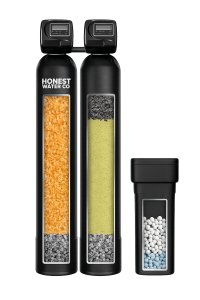
Complete Home System
The ultimate whole-house solution. Whole-home filtration and softening in one system — protects every tap, every appliance, every shower.
- Whole-home filtration
- Water softening included
- Removes chlorine & chloramines
- Reduces heavy metals
Well Water System
Complete multi-stage treatment for well water. Removes iron, sulfur, sediment, hardness, and bacteria — everything well water throws at your home.
- Removes iron up to 15 ppm
- Eliminates sulfur smell
- UV sterilization included
- Sediment pre-filtration
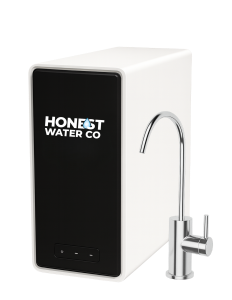
7-Stage Reverse Osmosis
Premium tankless RO with alkaline filtration. 800 GPD of purified, pH-balanced drinking water on demand — no storage tank needed.
- 800 GPD tankless design
- 7-stage filtration
- Alkaline pH balancing
- Color match faucet included
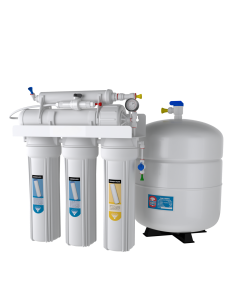
5-Stage Reverse Osmosis
Clean, great-tasting drinking water at your sink. Removes up to 99% of contaminants including lead, chlorine, fluoride, and more.
- 5-stage filtration
- Removes 99% of contaminants
- Under-sink design
- Dedicated faucet included
Browse all 12+ water treatment solutions
Recommended for Raleigh Homes
Systems that address Raleigh's specific water profile.
Filtration + Softening + RO
Complete Home System
Learn more →
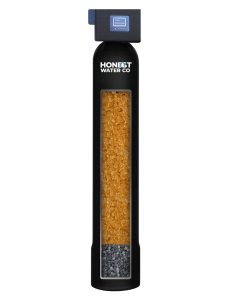
Single Tank Resin
Water Softener
Learn more →
7-Stage Tankless RO
HW800 AlkaPro RO
Learn more →
Under-Sink Drinking Water
5-Stage Reverse Osmosis
Learn more →
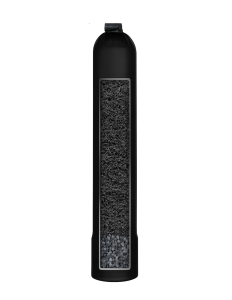
Chlorine & Sediment
Whole Home Carbon Filter
Learn more →
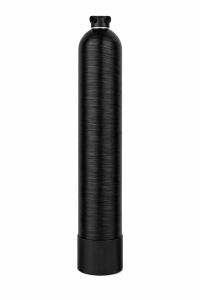
No Salt Required
Salt-Free Conditioner
Learn more →
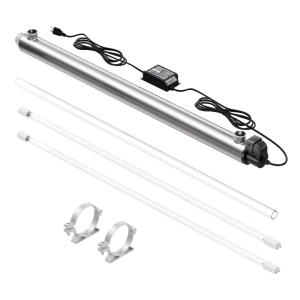
99.99% Germicidal Protection
UV Sterilizer
Learn more →
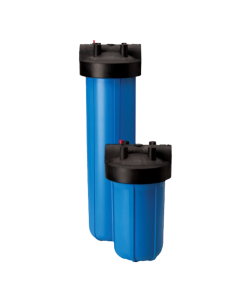
Whole House Protection
Pre-Sediment Filter
Learn more →
Serving All Raleigh Neighborhoods
Don't see yours? We cover all of Raleigh and the surrounding Triangle.
Water Quality in Raleigh, NC — Common Questions
Ready for Cleaner Water in Raleigh?
Join 500+ Raleigh homeowners who've already made the switch. Same-week installation, lifetime warranty — no obligation.